



IRS Safe Harbor for the Qualified Business Income Deduction for Real Estate
The Internal Revenue Service has issued Revenue Procedure 2019-38 (PDF) that outlines a safe harbor allowing particular interests in rental real estate to be treated as a trade or business for purposes of the qualified business income deduction under I.R.C section 199A of the Internal Revenue Code. What is the Qualified Business Income Deduction? I.R.C section 199A... Read More
How Does the CDTFA Audit Bundled Cell Phone Sales?
People often ask their tax lawyer how to respond to the CDTFA when they receive an audit letter. A CDTFA audit can present may issues for the taxpayer to consider and address. One issue that comes up in a CDTFA audit is what is called a bundled sale. The CDTFA began focusing its audit efforts... Read More
What Should I do If I Receive an IRS Summons?
Taxpayers frequently ask their tax attorney what they need to do if they receive an IRS summons. Internal Revenue Code (IRC) § 7602 provides the Internal Revenue Service with summons authority. IRC § 7601 authorizes the IRS to inquire about any person or taxpayer who may be liable to pay any internal revenue tax. Moreover,... Read More
What is the New Centralized Partnership Audit Regime?
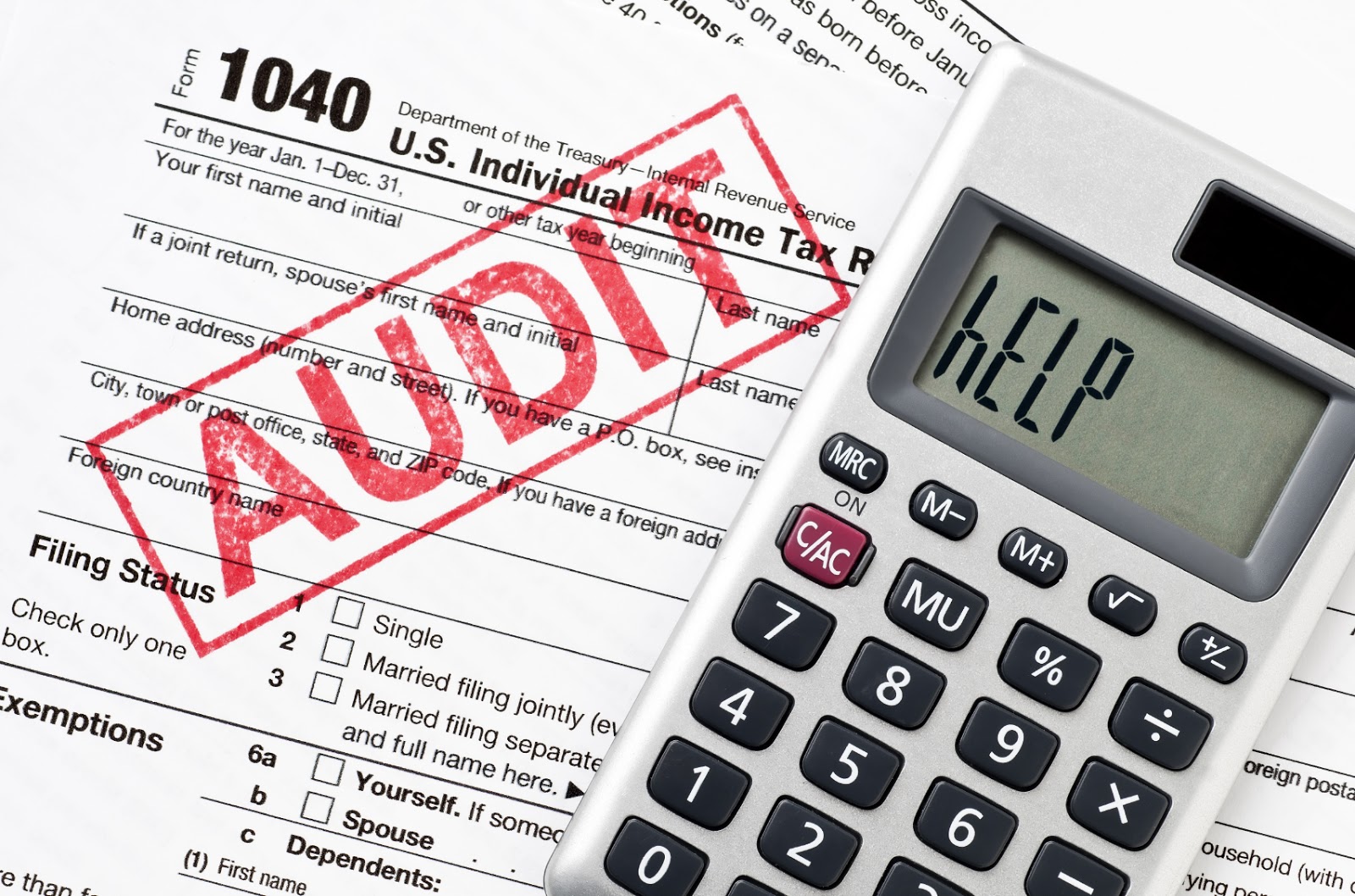
The Internal Revenue Service has a new audit regime to administer. Taxpayers frequently have asked their tax attorney: what is the new BBA centralized audit regime? Also, how will the new BBA audit regime impact their partnership? Moreover, taxpayer’s ask whether a partner can file an inconsistent tax return. The Bipartisan Budget Act of 2015... Read More
IRS CDP HEARINGS AND TAX COURT LITIGATION
Taxpayers often ask their tax attorney what they can do to dispute a tax liability or collection action when they receive an IRS Final Notice of intent to levy or Notice of Federal Tax Lien. Additionally, taxpayers ask what options they have in an IRS CDP hearing. Internal Revenue Code (IRC) section 6320 provides a... Read More
How Does AB 147 Change California (CDTFA) Sales Tax Requirements for Out of State Retailers?
On April 25, 2019, California passed Assembly Bill No. (AB) 147. AB 147 amended Revenue and Taxation Code (RTC) section 6203 to require retailers located outside of California to register with the California Department of Tax and Fee Administration (CDTFA) and collect California use tax in certain circumstances. Therefore, the CDTFA has made significant changes... Read More
How did AB5 Change California Worker Classifications?
A common question that taxpayers ask their tax attorney is whether a worker is an independent contractor or employee. In addition, what are the boundaries to that distinction? What are the factors? What if the worker prefers to be an independent contractor, has her or her own business, works for several employers simultaneously, and has... Read More
WHAT CAN I DO IF I DEFAULT ON MY IRS INSTALLMENT AGREEMENT?
If you have a tax liability and you default on your IRS installment agreement, the IRS will generally terminate your installment agreement. However, you may be able to reinstate your IRS installment agreement without providing updated financial statements. As a result, reinstating an IRS installment agreement may be a prime option. The IRS will terminate... Read More
EDD “Safe Harbor” Rules for Independent Contractors
In our last blog post we discussed what happens if the EDD reclassifies your independent contractors as employees. In this post, we’ll discuss how to ensure that that doesn’t happen if you have domestic workers. These are considered the EDD “safe harbor” rules for employers. According to the California Unemployment Insurance Code, section 687.2, an... Read More
What Happens if the EDD Reclassifies my Independent Contractors as Employees?
In a previous blog post we discussed the factors to consider in determining whether your workers are employees or independent contractors. In an EDD worker reclassification audit, the EDD may reclassify independent contractors as employees. So, what if your business is audited by the EDD and the auditor determines that your “independent contractors” should actually... Read More